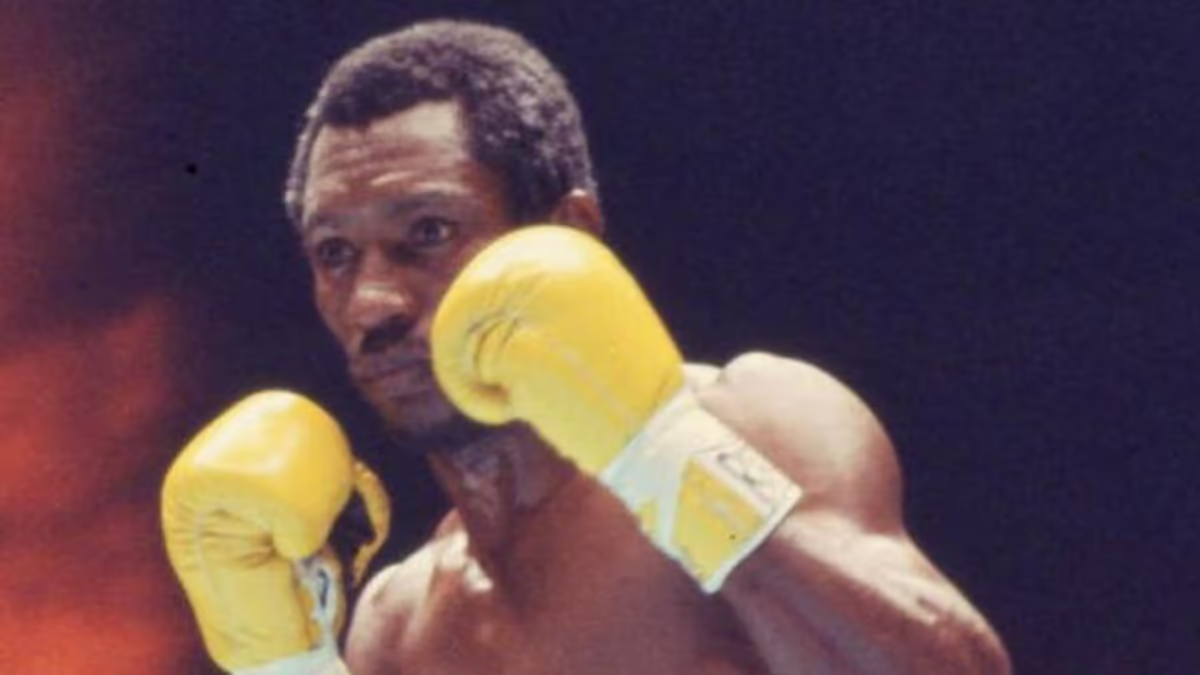
Antonio Cervantes, Kid Pambelé, was born in San Basilio de Palenque and grew up in Chambacú, Cartagena. On October 28, 1972, he defeated Alfonso Peppermint Frazer in Panama City and became Colombia’s first world boxing champion.
Two distinct places in his story
Palenque and Cartagena are not the same place. San Basilio de Palenque, in the municipality of Mahates, Bolívar, is his birthplace; Chambacú belongs to his upbringing and his introduction to boxing.
Before gaining sporting recognition, he sold cigarettes and worked shining shoes. Fights in Caribbean towns were part of the path through which he sought to support himself and help his family.
Chambacú belongs to the history of his training, while fights gradually took him beyond Cartagena. Professional boxing did not bring him an immediate title: before his victory in Panama, he had already experienced defeat in a world-title bout.
On December 11, 1971, he faced champion Nicolino Locche. The fight went the full fifteen rounds and Cervantes lost. His opportunity against Frazer was therefore another attempt after he had already challenged for a belt.
After Locche, Cervantes returned to competition and won the bouts that led to another opportunity. When he entered the ring in Panama, he already knew the demands of fighting fifteen rounds against a world champion.
The night he won the championship
The bout against Frazer took place at the Gimnasio Nuevo in Panama City. At stake was the World Boxing Association’s light-welterweight title, also known as super-lightweight.
At ringside were his trainer Melquíades Tabaquito Sáenz and promoter Ramiro Machado. The result turned a journey of fights and preparation into a title that transformed his public recognition.
Frazer was defending the title in front of his own supporters. In the tenth round, Cervantes sent him to the canvas with his left hand. The Panamanian got up and tried to respond but fell again during the challenger’s offensive.
The sequence ended with another combination and Cervantes’s victory. Those details explain that the result was settled during the fight, before a decision on the scorecards, against a champion who tried to remain standing.
The location matters too: this was a victory away from home. The title through which Colombia began to recognize Pambelé on a large scale was won in Panama’s capital, after a career that had crossed different Caribbean and South American settings.
A victory with consequences for Palenque
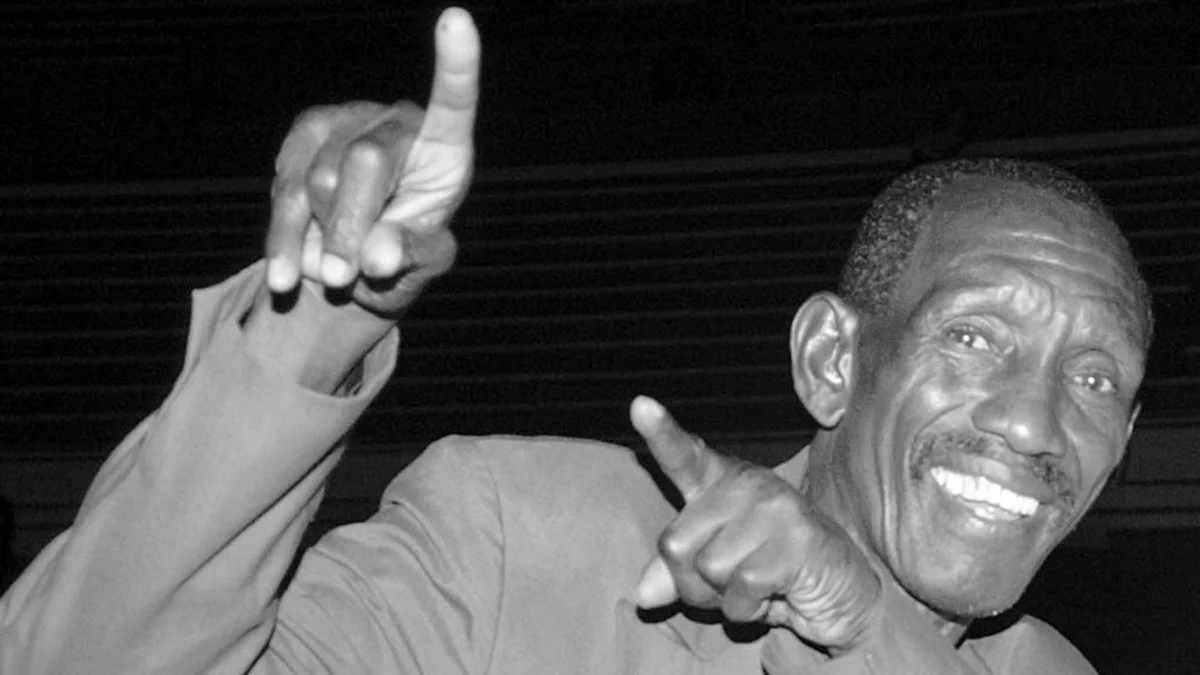
The 1972 victory brought greater attention to San Basilio de Palenque. The champion’s advocacy helped promote improvements in services and access for his hometown.
Improvements associated with his efforts included electricity, the water supply and conditions on the access road. The champion’s recognition allowed him to demand attention for needs that already existed in the community.
They were demands for services for Palenque’s residents. The champion’s efforts brought those needs before the authorities.
In Cartagena, Chambacú was the neighborhood where he grew up and learned to box. Recognition in 1972 reached neighbors who had known him before the championship, when he still sought income inside and outside the ring.
Losing, recovering and the second reign
After 1972, Cervantes sustained a championship career for several years. In March 1973 he faced Locche again and defeated him this time, reversing the result of his first world-title opportunity in 1971.
On March 6, 1976, he lost the belt to 17-year-old Wilfred Benítez by decision after fifteen rounds. The new champion’s age made the change especially memorable, but Pambelé’s story did not end with that defeat.
On June 25, 1977, he regained the WBA championship against Carlos Giménez. That second period continued until August 2, 1980, when Aaron Pryor defeated him in the fourth round in Cincinnati.
These were two championship periods, separated by a loss and a recovery, rather than eight uninterrupted years holding the same title. In 1998 Cervantes entered the International Boxing Hall of Fame, which preserves that career alongside those of his opponents.