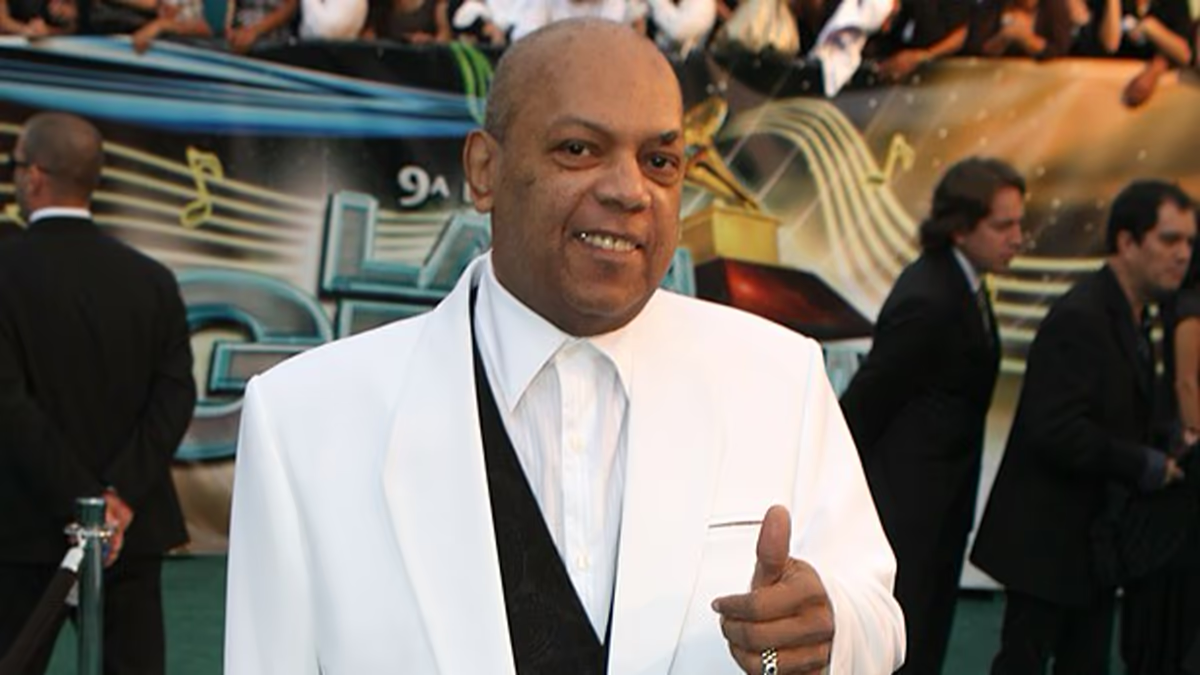
Joe Arroyo was born in Cartagena on November 1, 1955. Before becoming one of the most recognizable voices in Colombian tropical music, Álvaro José Arroyo González began singing in the city that would also become the setting of his song Rebelión.
The voice that came from Nariño
The Nariño neighborhood was part of his early life. There he began a relationship with music that included popular performances and choirs before he joined major orchestras.
As a child he sang in his school choir and later in the Cathedral choir. His vocal learning also took place outside religious settings: popular performances required him to sustain melodies, make himself heard and respond to an audience.
Rubén Darío Salcedo recruited him for Súper Combo Los Diamantes and was associated with the name by which he would become known. He later passed through La Protesta before joining the band that would give his career a different scale.
Those stages reveal an education built through bands and repertoires. Before the singer leading La Verdad came a boy adapting to different groups, listening to other voices and learning through the everyday practice of performing.
A song that returns to Cartagena
In 1986 he recorded Rebelión with his orchestra La Verdad. Set in colonial Cartagena, the song turns a story of enslavement, violence and resistance into a danceable narrative.
Its lyrics should not be read as the documented case of a historically identified couple. It is a musical narrative that uses the city and the history of slavery to condemn abuse and affirm its protagonists’ dignity.
The episode he sings about takes place in the seventeenth century and pits an enslaved man against the abuse of his partner. The aggression against her triggers the protagonist’s response.
The narrative retains the episode’s violence within a song intended for dancing. The protagonist’s protest returns as a refrain while the orchestra sustains the rhythm of the story.
Cartagena does not serve as a postcard of city walls. It is the colonial port where the characters’ lives unfold. The song makes another register of the city audible, connected to the history of slavery and a voice demanding respect.
From orchestras to joesón
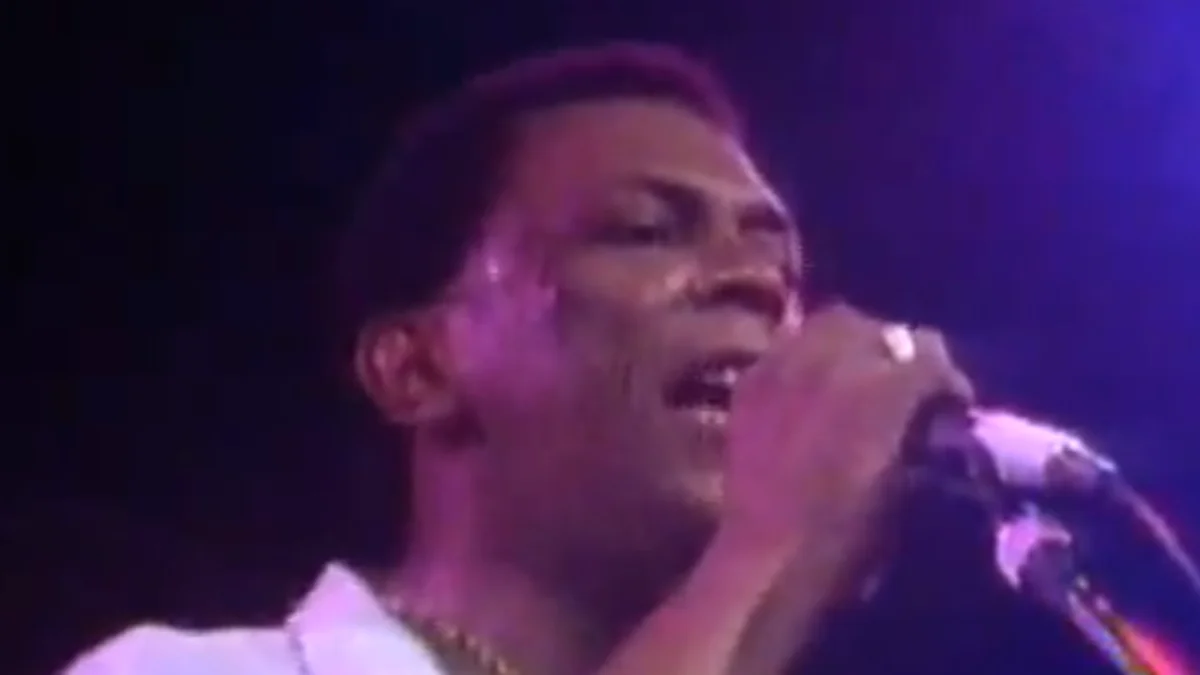
Before leading his own band, Arroyo sang with Fruko y sus Tesos and recorded with other groups. In 1981 he founded La Verdad, the platform from which he expanded his repertoire and established an identity of his own.
His music brought together salsa and Caribbean and African rhythms in the blend known as joesón. That exploration was accompanied by a distinctive vocal signature, including the throat sound known as el caballito.
Almost a decade with Fruko y sus Tesos gave him experience in a band central to Colombian salsa. Tania, composed by Arroyo with a rock-and-roll foundation, took a different shape through Fruko’s salsa arrangement.
That example shows that songs did not arrive finished in an unchanging mold. Composition, arrangement and performance could push in different directions. La Verdad allowed him to broaden that exploration through a band under his own leadership.
Joesón combined that freedom with cumbias, porros, chandés and other Caribbean and African references. It was not simply another name for singing salsa: it identified a blend that made rhythmic shifts part of his musical personality.
La Verdad, the stages and Arroyo’s other city
Fuego en mi mente, released in 1989, belongs to the consolidation of his independent career and included collaboration with pianist Chelito de Castro. His repertoire continued to grow after Rebelión and circulated beyond Colombia.
Performances at New York’s Madison Square Garden and La Villette in Paris offer a concrete measure of that journey. It was not just a matter of songs exported on records: the orchestra also brought its music to audiences abroad.
Barranquilla was another center of this story. The Golden Congos at the Carnival’s Orchestra Festival and the creation of a SuperCongo to recognize him belong to his relationship with that city, also celebrated in En Barranquilla me quedo.
Arroyo died in Barranquilla on July 26, 2011. The songs of his early period with Fruko had been joined by Mary, Yamulemau, Pa’l bailador and En Barranquilla me quedo, alongside Rebelión, which returned the narrative to Cartagena.