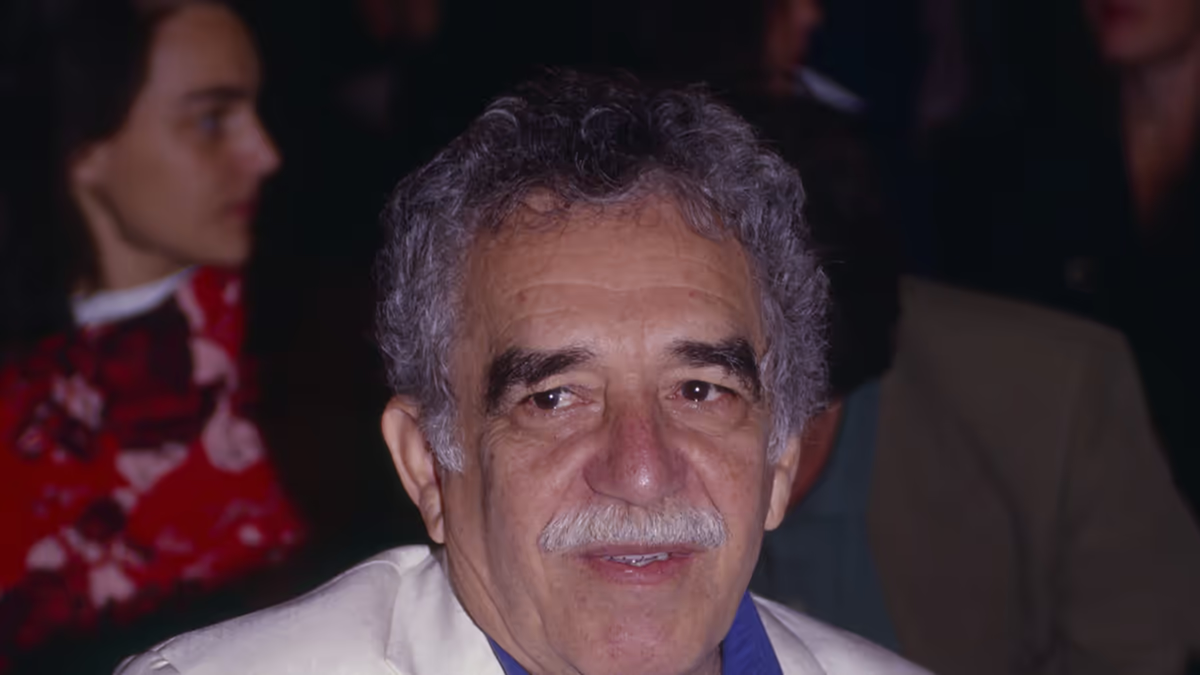
Before the Nobel Prize, before Macondo and before millions of readers learned to recognize his name, Gabriel García Márquez arrived in Cartagena at 21, with interrupted law studies and a calling that was still finding its way.
Here he found a newspaper, a city full of stories and a relationship that would stay with him throughout his life.
A young man from Aracataca arrives in Cartagena
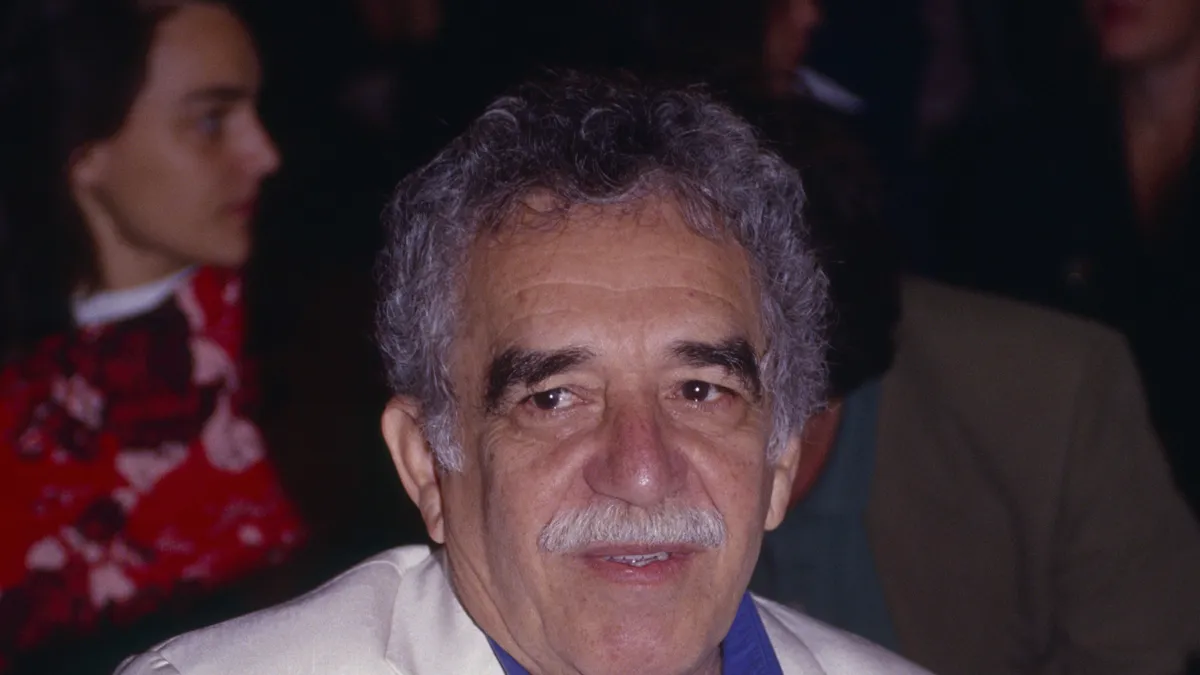
Gabo was not born in Cartagena.
He came into the world in Aracataca, Magdalena, on March 6, 1927.
But the walled city holds a special place in his story: here he studied, worked and began to make his way as a journalist.
He arrived in 1948, after the assassination of Jorge Eliécer Gaitán and the violence that followed the Bogotazo interrupted his studies at the National University in Bogotá.
In Cartagena he resumed law at the University of Cartagena, although he would soon leave the degree to devote himself to writing.
He did not arrive empty-handed as a writer.
He had already published short stories in El Espectador.
What he found in Cartagena was another way to write: the discipline of a newspaper and the chance to observe the city and tell its stories.
The newspaper that welcomed a future Nobel laureate
On May 21, 1948, El Universal published his first piece of journalism.
The young writer was 21 and had a space called Punto y aparte, where he could observe everyday life and turn it into writing.
As he later recounted in his memoirs, the writer Manuel Zapata Olivella took him to the newsroom and introduced him to Clemente Manuel Zabala, the newspaper’s news editor.
That meeting opened a door that would prove decisive.
His first piece was about the curfew that had marked the days following Gaitán’s assassination.
It featured the clock at Boca del Puente, the silence of the city and even the image of Francis Drake in the bay.
He was not yet the author of One Hundred Years of Solitude, but he was a young man already finding a distinctive way to look at what was happening around him.
In the following days he also wrote about the accordion and helicopters.
Moving from the atmosphere of a city under curfew to music or a flying machine says much about that reporter’s curiosity: almost any subject could become a story.
A relationship that was not always easy
It would be easy to tell the story of Gabo and Cartagena as a perfect romance from the first day.
But the relationship had more nuances.
Historian Nicolás Pernett explained that the young García Márquez arrived in a city marked by social hierarchies.
He came from the provinces, had little money and attracted attention for the way he dressed.
The relationship would change over the years, but those early days were not simply a sunlit postcard.
That combination makes the story more interesting: Cartagena offered professional opportunity, but it was also a city the writer came to know through the difficulties of someone trying to find a place for himself.
The city that mingled with others in his novels
Readers of Love in the Time of Cholera may recognize a Caribbean atmosphere in its streets, houses and customs.
Cartagena is there, but it is not alone.
García Márquez himself explained that the city in the novel was imaginary and brought together elements of Cartagena, Barranquilla and Santa Marta.
He was especially interested in the customs of a particular era in that region.
There is no need to turn every balcony into an exact address to enjoy the interplay between the real city and its literary counterpart.
The love story of Florentino Ariza and Fermina Daza also had family roots: the writer said he drew on his parents’ courtship, although his characters and the novel belong to the world of fiction.
A house by the sea and a return to the city
In time, the young journalist became one of the great Spanish-language writers.
He published One Hundred Years of Solitude in 1967 and received the Nobel Prize in Literature in 1982.
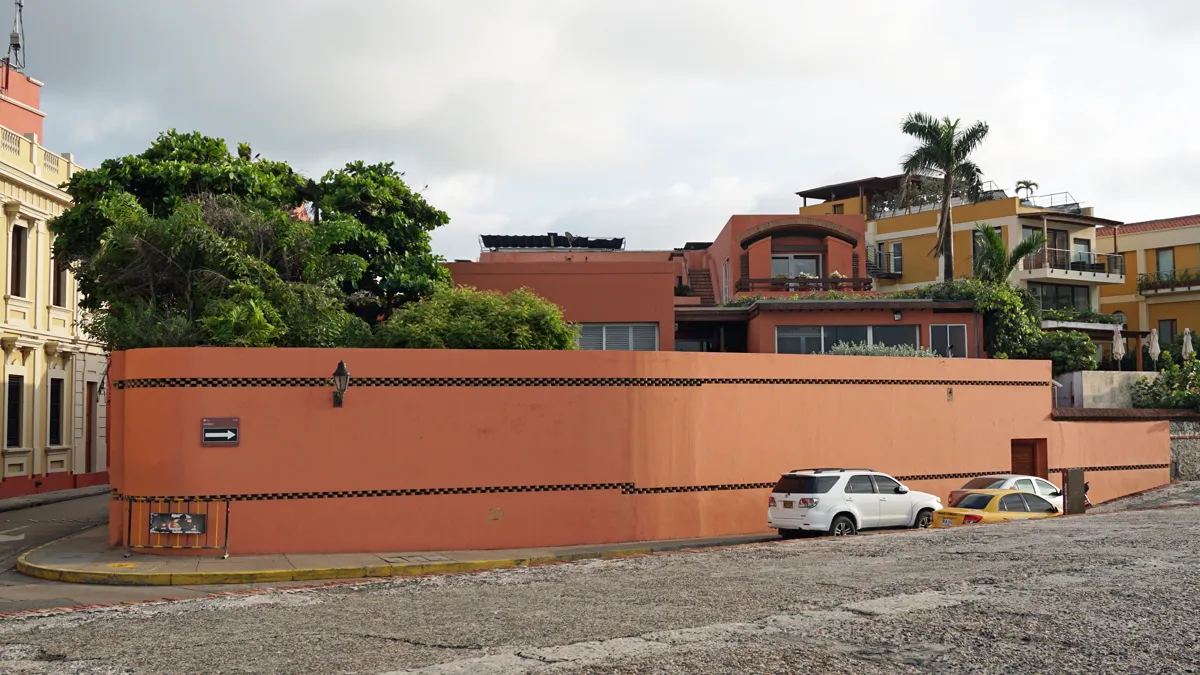
Cartagena remained part of his life: he had a house facing the sea there and created a foundation devoted to Ibero-American journalism.
His connection to the craft he began at El Universal did not disappear with literary fame.
The foundation, now known as Fundación Gabo, became associated with training and exchange among journalists across the region.
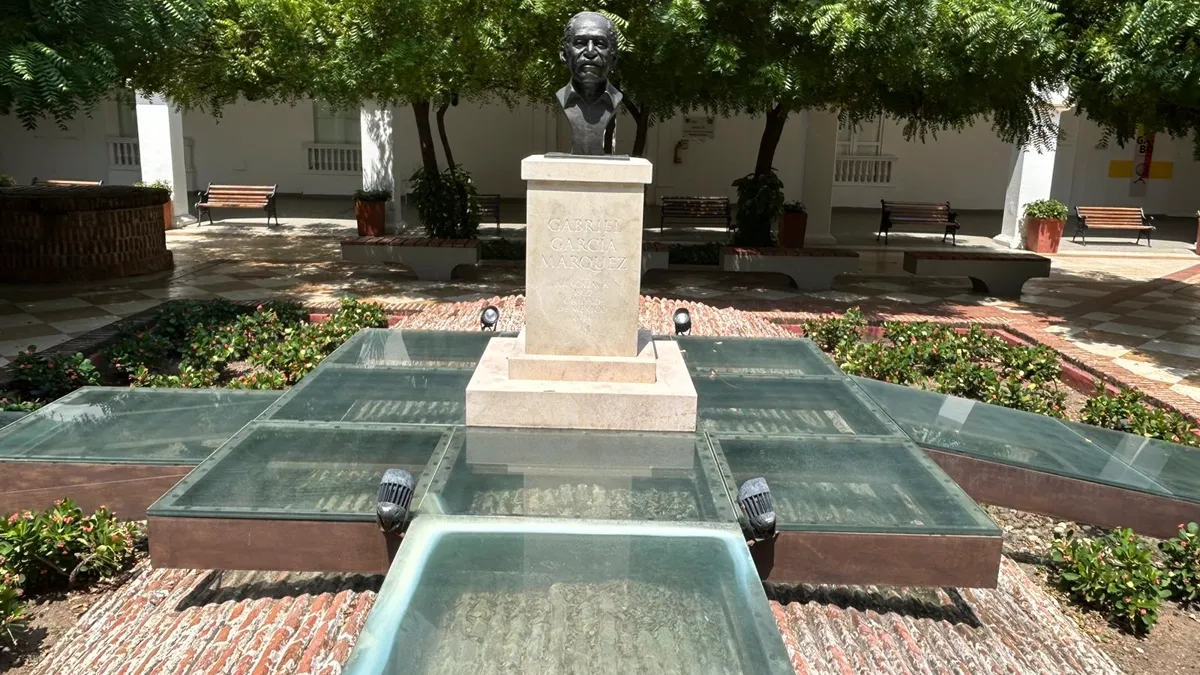
After his death on April 17, 2014, some of his ashes came to Cartagena.
In 2016 they were laid to rest at the Claustro de la Merced, a space connected to the University of Cartagena: the same institution where he had resumed his law studies decades earlier.
Gabo’s Cartagena begins in a newsroom, too
When people speak of García Márquez and Cartagena, it is easy to think first of balconies, the sea and the novels.
But another image is worth keeping: a 21-year-old entering a newsroom to write about the city before him.
Long before he was the Nobel laureate returning to his home facing the Caribbean, Gabo was a young journalist learning his craft in Cartagena.
That is another way to read the city: not just as the setting for famous stories, but as a place where one of those stories began to be written.